
Rain Water Harvesting System for Practical Water Management
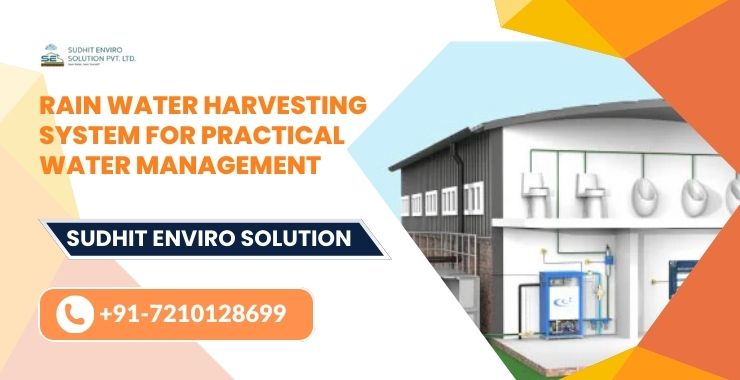
Water shortage is slowly becoming part of everyday life. In many areas, borewells no longer give enough water, and tanker supply is uncertain and costly. Depending only on external water sources is risky. A Rain Water Harvesting System helps manage this problem in a simple and reliable way.
Rainwater comes every year, but most of it goes into drains. When collected properly, the same water can be used or stored underground for future needs.
What Is a Rain Water Harvesting System?
A Rain Water Harvesting System collects rainwater from rooftops or open surfaces and directs it for storage or groundwater recharge.
How the System Is Arranged
Rainwater flows from the roof through pipes. It passes through a basic filter and then moves into a storage tank or recharge pit. The structure depends on roof size, soil condition, and available space. There is no fixed design for every site.
Why Rain Water Harvesting Is Needed Today
Water demand is increasing, but groundwater levels are going down. In many cities, people dig deeper borewells every few years, yet water availability keeps reducing.
Main Reasons People Install These Systems
- To reduce dependence on borewells and tankers
- To recharge groundwater naturally
- To avoid waterlogging during heavy rainfall
- To manage water better during dry months
Role of a Professional Rain Water Harvesting Installation Service
Installing a rainwater harvesting system without planning often leads to problems later. Water may overflow, filters may block, or recharge pits may stop working.
A proper Rain Water Harvesting Installation Service studies the site before starting work.
What the Installation Service Focuses On
- Checking roof slope and drainage flow
- Selecting the right filtration method
- Designing recharge pits based on soil type
- Ensuring water moves smoothly without blockage
These points decide how long the system will work.
Types of Rain Water Harvesting Systems
Different properties need different solutions.
Rooftop Rain Water Harvesting
Commonly used in houses, apartments, and offices. Rainwater from the roof is collected and reused or recharged into the ground.
Recharge Pit Systems
Used where water storage is not possible. Rainwater is sent directly into the ground to improve groundwater levels.
Where Rain Water Harvesting Gives the Best Results
Rainwater harvesting is useful for many types of properties.
Residential Buildings
Helps reduce water bills and improves borewell performance over time.
Commercial and Industrial Properties
Used for cleaning, flushing, and groundwater recharge, reducing external water dependence.
Maintenance of Rain Water Harvesting Systems
Maintenance is simple and does not require much effort.
Basic Maintenance Steps
- Cleaning filters before monsoon
- Removing dirt from pipes and gutters
- Checking recharge pits once in a while
With basic care, the system works smoothly for many years.
Why Choosing the Right Installation Service Matters
A Rain Water Harvesting System works only when it is designed and installed properly. Choosing an experienced Rain Water Harvesting Installation Service helps avoid future issues and ensures long-term performance.
Good installation means less trouble and better water management.
Conclusion
A Rain Water Harvesting System is a practical step toward solving water problems. With the right Rain Water Harvesting Installation Service, rainwater becomes a useful resource instead of wasted runoff.
Saving rainwater today helps avoid bigger water issues tomorrow.